
Bridging the Generation Gap: Managing a Multi-Generational Workforce

oday’s workforce is more diverse than ever, with multiple generations coexisting in the same workplace. From Baby Boomers to Generation Z, each generation brings its unique perspectives, values, and work styles to the table. Effectively managing different generation employees can be a challenge, but it’s also an opportunity to harness the strengths of each group. In this blog post, we’ll explore strategies for successfully managing a multi-generational workforce. Understanding the Generations Before diving into management strategies, let’s briefly define the generations typically found in today’s workforce: Traditionalists (born before 1946): These employees value loyalty, discipline, and hierarchy. They often prefer face-to-face communication and have a strong work ethic. Baby Boomers (born 1946-1964): Boomers are known for their dedication and experience. They appreciate recognition and may prefer more structured work environments. Generation X (born 1965-1980): Gen Xers are often characterized as independent and adaptable. They value work-life balance and seek autonomy in their roles. Millennials (born 1981-1996): Millennials are tech-savvy and value collaboration and purpose-driven work. They appreciate regular feedback and opportunities for growth. Generation Z (born 1997-2012): The youngest generation in the workforce, Gen Z, is known for its digital native status. They seek opportunities for skill development and diversity. Now that we have an understanding of the generational landscape, let’s explore strategies for effective management: Embrace Diverse Perspectives Recognize that generational differences can lead to diverse perspectives, which can be a significant asset for your organization. Encourage open communication and collaboration among team members of different generations. Create opportunities for them to share their insights and learn from each other. Flexible Work Arrangements Different generations may have varying preferences for work arrangements. While some may prefer a traditional 9-to-5 office setup, others might thrive in remote or flexible work environments. Be open to accommodating different work styles when possible, as long as they align with job requirements. Feedback and Recognition Tailor your feedback and recognition approaches to each generation’s preferences. Baby Boomers may appreciate public recognition, while Millennials and Gen Z might prefer regular one-on-one feedback sessions. Adapt your feedback style to ensure it resonates with each employee. Mentorship and Reverse Mentorship Create mentorship programs that pair employees from different generations. This not only facilitates knowledge sharing but also fosters understanding and collaboration. Consider implementing reverse mentorship, where younger employees mentor older ones on topics like technology or social media. Professional Development Opportunities Offer professional development opportunities that cater to the diverse learning preferences of different generations. Provide both traditional classroom training and online courses to accommodate various learning styles. Promote Work-Life Balance Acknowledge the importance of work-life balance, particularly for Generation X and Millennials. Encourage employees to take advantage of flexible scheduling, remote work options, and paid time off to recharge. Communication Channels Utilize a mix of communication channels to reach all generations effectively. While email may work for most, consider implementing tools like instant messaging or video conferencing to accommodate the preferences of younger employees. Lead by Example As a manager, model inclusive behavior and open-mindedness. Demonstrate your willingness to adapt to new technologies and work practices, regardless of your generation. This sets a positive example for your team. Conflict Resolution Conflict can arise due to generational differences. Be prepared to address conflicts constructively and facilitate conversations that promote understanding and collaboration. Conclusion Managing a multi-generational workforce requires flexibility, adaptability, and a deep appreciation for the diverse perspectives each generation brings. By understanding their unique strengths and preferences, you can create a more inclusive and harmonious work environment. Ultimately, effective management of different generation employees can lead to increased productivity, innovation, and overall success for your organization. Embrace the generational diversity in your workplace as a source of strength and a catalyst for growth.
Diversity And Inclusion, Unconscious Bias
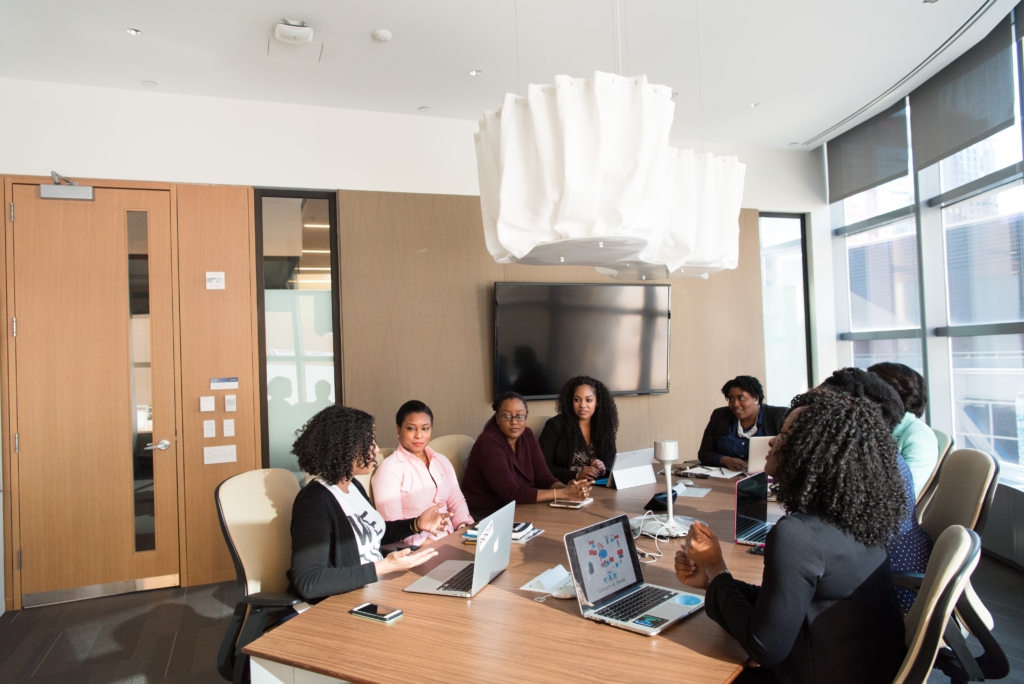
Diversity and inclusion, unconscious bias This is one of those sensitive topics that remind us that we have a lot of wrongs to correct. This especially so when you consider the work place. In that setup, interviews are usually fertile ground for bias acts. That is why it makes the best place to apply inclusion. It is also a relevant environment to deal with the agenda of inclusion. Diversity thrives when there is inclusion. It means that you will allow the coexistence between the company and individuals. Of course, you will keep in mind that the individuals are different. Avoid affinity bias Now this a very common weakness. You will want to associate with only those that share your interests. This means that you close out those who do not share your treasured values and interests. During interviews, those who don’t share your values don’t even stand a chance to pull through. You will relate with those who share your interests and give a good chance. With inclusion, you have to standardize your questions to allow them come out. Stay away from confirmation bias In avoiding this kind of bias, you have to keep your beliefs and other aspects at bay. These should not distract you from getting the best employee especially during interviews. You may need to work at avoiding judging the person based on some background data. This means that even if that data is wrong, you will still fall for it and make a wrong decision. Be firm and fair despite the views of the majority That sounds like a rebel leader in action. But that is how it works out. You have to avoid taking a stance of the majority. If the person qualifies for that job, then that’s it! There are no two ways about it! If the majority has decided that the person does not qualify, you need to be with them. If you don’t agree with them, bring it out and let them know. Otherwise, you cannot be following every decision without asking questions! That is dangerous. Create a fair platform This starts with the kind of questions you include in the interview. Make sure they are appropriate for you. They should not be bias against some candidates. Level the playing field and let everyone bring out their best. This also means that all aspects should recognize inclusion. There should be no need to start asking questions about why some people did not do this or that. If you have not leveled the playing field, then you can be sure that some candidates won’t manage. Be fair and look at the professional side of things all the time. You will never go wrong with this approach. Conclusion Inclusion and avoiding bias are fundamental. They give you a chance to get the best workers. But this also means that these workers enjoy some equity. They will not be failing to make it because of their personal background or related factors. If they can perform, then they deserve a chance.

